
Catholic Charities leader says Texas nun has felt ‘overwhelmed with fear’ after detention by ICE
The brief detention by immigration officials of a Catholic religious sister in south Texas continues to reverberate through immigrant Catholic communities, with Sister Norma Pimentel saying the experience left lasting emotional scars and heightened fears about immigration enforcement.
Speaking in an interview with “EWTN News In Depth” host Catherine Hadro on July 31, Pimentel — a Missionary of Jesus and the executive director of Catholic Charities of the Rio Grande Valley who has served as a long-time migrant advocate — recounted her reaction after learning that Sister Leticia “Letty” Ugboaja had been detained by Immigration and Customs Enforcement (ICE) officials while walking to church in June.
Ugboaja, a Nigerian-born member of the Daughters of Mary Mother of Mercy and a nurse, has served in the Diocese of Brownsville for nearly two decades. She has ministered in Catholic schools, parishes, and hospitals throughout south Texas and has become well known for her work with immigrant and low-income families.
In 2019, a judge denied Ugboaja’s asylum application but did grant her protection from removal to Nigeria under the United Nations Convention Against Torture because she is likely to face torture in her native country.
She is still at risk of third-country removal, however. Her attorney, Carlos Garcia, says she is legally permitted to work in the U.S. and has complied with every immigration requirement.
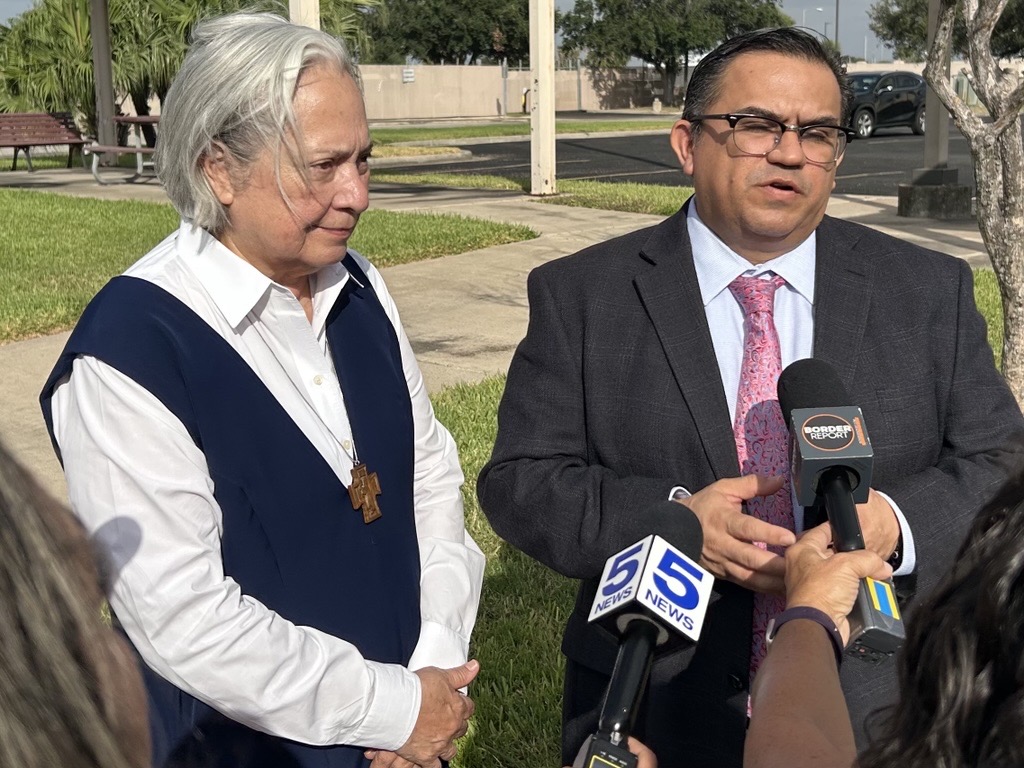
“My most immediate concern was that she needed somebody by her side,” Pimentel recalled in the interview with “EWTN News in Depth.”
She said she learned from a priest that Ugboaja was “very frightened,” crying after being taken into custody. Pimentel immediately contacted an ICE official she knew to determine what had happened and whether she could accompany the nun during the process.
“Knowing her, sheʼs such a beautiful person,” Pimentel said. “She was walking to church, and the last thing in her mind was that somebody was just going to take her and change her life this way.”
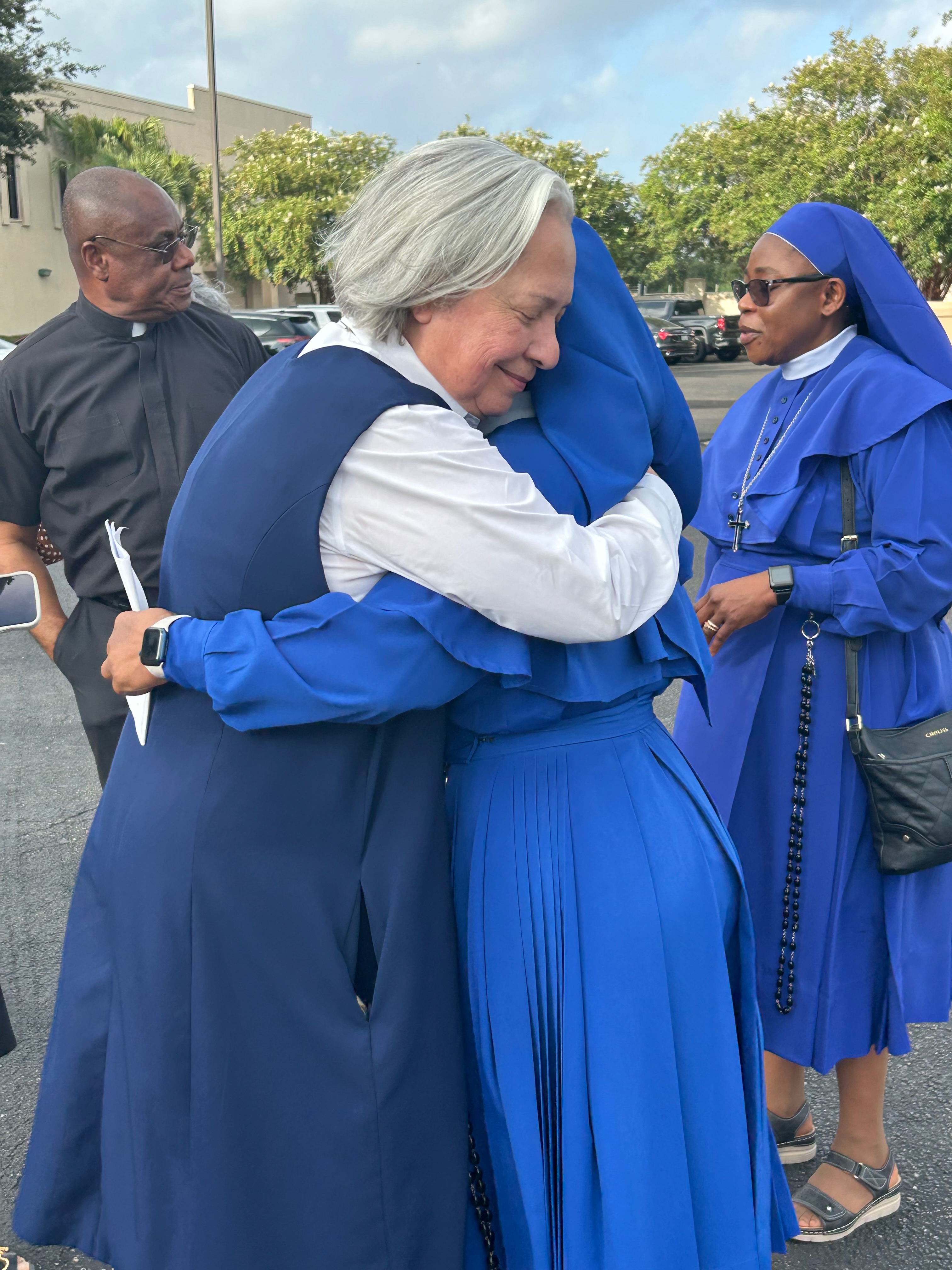
Although Ugboaja has resumed serving her community, including attending daily Mass, Pimentel said the experience continues to affect her.
“I think sheʼs a strong woman that is trying her best to put this behind her,” she said. “But I noticed that even the day of the press conference, she became overwhelmed with fear.”
Concerns over access to the sacraments
During the interview, Hadro replayed remarks Ugboaja made at a recent press conference where the religious sister described being prevented from attending Sunday Mass or receiving Holy Communion while in detention.
“It was very, very heartbreaking for me,” Letty said. “Can I go to Mass? Can I just attend Mass? Can I receive Communion? And the answer was no.”
Asked whether immigration enforcement has affected Catholics’ ability to practice their faith, Pimentel said priests throughout the Diocese of Brownsville have reported growing anxiety among immigrant families.
“What I hear from local priests that call me … is, ‘Norma, please help me. One of our families, one of their mothers … theyʼre all frightened,’” Pimentel said in the interview.
While Pimentel said she is not aware of people being detained while attending Mass, she said many families have become fearful after seeing immigration officials in their communities, including near schools.
“Itʼs so sad to hear that, the fact that people are afraid to go to church,” she said.
A call for legal pathways
Hadro also asked Pimentel how Catholics should balance respect for the rule of law with the Churchʼs teaching on the dignity of every human person.
Pimentel said border security and human dignity “go hand in hand,” arguing that nations have the right to maintain an orderly immigration system while also providing legal avenues for migrants who qualify to remain in the country.
“We must be able to distinguish the difference,” she said, calling for “safe legal procedures” that allow immigrants who contribute to their communities to pursue legal status.
Pimentel expressed hope that legal pathways for asylum seekers who do not pose a threat to public safety would continue to be available.
“I think those legal pathways need to be established,” she said, “for certain individuals that present themselves as something that contributes good to our country.”